
If you’ve been looking into Cyclospora outbreak by state, picture this: you’re enjoying a beautiful summer day, maybe some fresh berries or a crisp salad, thinking you’re doing your body a favor. Then, BAM. A sudden, relentless wave of stomach cramps hits, followed by diarrhea so severe it feels like it’s coming out of nowhere. And it just won’t stop. For weeks. This isn’t just a bad case of traveler’s tummy or a typical food bug; it could be something much more tenacious: Cyclospora.
Table of Contents
- Understanding Cyclospora: what’s This Parasite?
- Cyclospora Outbreak by State: Where Are We Seeing Cases?
- Symptoms of Cyclosporiasis: More Than Just ‘Explosive Diarrhea’
- Protecting Yourself: Prevention and Treatment Strategies
- My Own Habits: Staying Vigilant with Fresh Produce
- Frequently Asked Questions
Every year, especially during the warmer months, we see reports of a particularly nasty intestinal guest making the rounds, often linked to fresh produce. We’re talking about foodborne parasite outbreaks that can really knock you off your feet. And frankly, they’re happening more often than many realize. So, let’s dig into what this parasite is, where it’s showing up, and most importantly, how we can try to protect ourselves.
Understanding Cyclospora: what’s This Parasite?
The culprit behind all this gastrointestinal misery is a microscopic parasite called Cyclospora cayetanensis. This isn’t a bacteria or a virus; it’s a single-celled organism that, once ingested, sets up shop in your small intestine. And it’s not a polite guest. It causes an illness known as cyclosporiasis, which can manifest with a truly unpleasant array of symptoms. Check out our guide on Orange County Cancer Cluster Concerns Spark Investigation Calls. We covered this in Maryland Cyclospora Cases Double: What You Need to Know Now.
How do people usually get infected? Well, it’s almost always through contaminated food or water. Think about it: the parasite’s oocysts (the infective form) are shed in the feces of an infected person or animal. If that contaminated stool gets into water used for irrigation or washing produce, or if food handlers don’t practice proper hygiene, those oocysts can end up on your plate. What’s crucial to understand is that it’s generally not spread person-to-person. You can’t catch it just by being near someone who’s sick, which is a small relief, I guess.
Over the years, public health officials have linked Cyclospora outbreak by state to a variety of fresh produce items. We’ve seen everything from raspberries, basil, cilantro, and pre-packaged salad mixes to snow peas and even specific types of leafy greens. It seems like the common thread is often produce that’s consumed raw or lightly cooked. This makes sense, right? If heat kills off most pathogens, raw foods present a higher risk if they’re contaminated.

Cyclospora Outbreak by State: Where Are We Seeing Cases?
So, where is this unwelcome guest making its presence known? Keeping track of Cyclospora outbreak by state can be a bit like detective work, but public health agencies like the CDC and state health departments do an incredible job of tracking and reporting these trends. Each year brings a new pattern, often tied to specific contaminated food sources that get distributed widely. We saw significant outbreaks recently, for instance, linked to particular brands of pre-packaged salads that were distributed across multiple states. It truly highlights how interconnected our food supply chain is.
Now, while I can’t provide you with a real-time, interactive map here (I wish!), imagine one that lights up with every confirmed outbreak or spike in cases. You’d see hotspots appearing, moving, and sometimes even disappearing as investigations unfold. Often, the states with higher populations or those that are major hubs for food distribution might see more reported cases. But don’t let that fool you; Cyclospora can pop up anywhere.
Factors contributing to varied reporting across states are complex. It’s not just about where the produce is grown or distributed. On the flip side, it’s also about surveillance systems – how good is a state at identifying and reporting cases? What kind of diagnostic testing are healthcare providers using? And, frankly, population density plays a role; more people often means more opportunities for exposure and more reported illnesses. It’s a tricky picture to paint with perfect accuracy, but the general trend is clear: Cyclospora is a persistent issue.
Symptoms of Cyclosporiasis: More Than Just ‘Explosive Diarrhea’
Alright, let’s talk about what happens if you do get infected. The primary symptom that often gets people’s attention is, indeed, severe watery diarrhea. And yes, sometimes it’s described as “explosive.” Not great. But cyclospora symptoms extend far beyond just that. You’re also likely to experience other debilitating issues like profound fatigue, nausea (sometimes vomiting, but less common), stomach cramps that can range from mild to excruciating, a noticeable loss of appetite, and, as a result, pretty significant weight loss.
One of the more frustrating aspects of cyclosporiasis is the ‘waxing and waning’ nature of its symptoms. What does that mean? Well, you might feel absolutely terrible for a few days, then start to feel a little better, thinking you’re turning a corner. You might even go a day or two without diarrhea. But then, just when you think you’re in the clear, BAM, the symptoms return with a vengeance. This on-again, off-again pattern can persist for weeks, or even months, if left untreated. It’s incredibly draining, both physically and mentally. And that matters.
This persistent, relapsing nature is why it’s so important to get a proper diagnosis. If you’re experiencing these kinds of prolonged or recurring gastrointestinal issues, especially after consuming fresh produce, you really need to talk to your doctor. They can order specific stool tests to look for the parasite. Without a diagnosis, you won’t get the right treatment, and the illness can just drag on and on.
Protecting Yourself: Prevention and Treatment Strategies
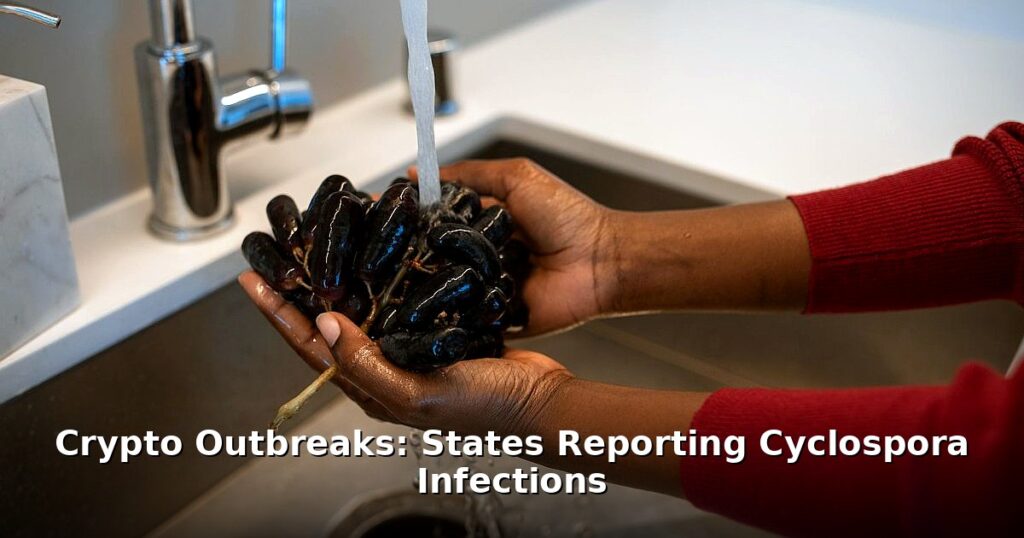
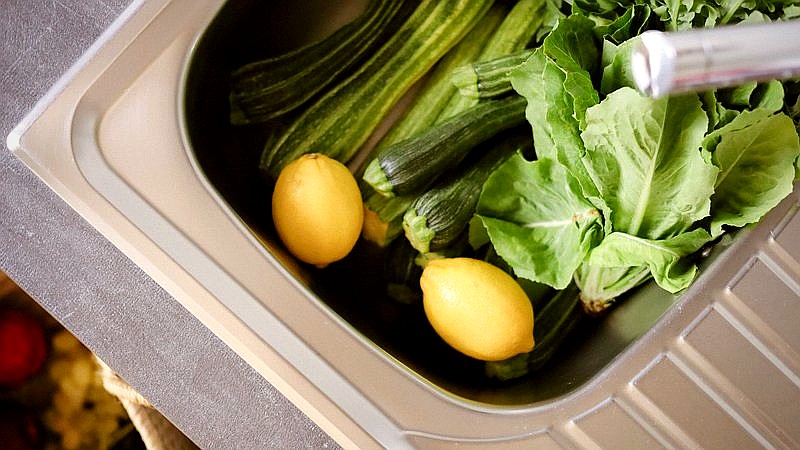
So, what can we actually do to avoid this nasty parasite? prevent cyclospora infection, the first line of defense is, as always, proper food handling. Thoroughly washing produce is absolutely essential. I’m talking about scrubbing firm fruits and vegetables under running water, and really rinsing leafy greens. But here’s the kicker: Cyclospora oocysts are notoriously difficult to remove completely from produce, even with meticulous washing. They can cling to surfaces or even be embedded in the crevices of fruits and vegetables. So, while washing helps, it might not be a silver bullet.
Beyond washing, safe food handling practices are paramount. Always wash your hands with soap and water before and after handling food. Avoid cross-contamination by using separate cutting boards and utensils for raw produce and raw meats. And for foods that can be cooked, ensure they reach appropriate internal temperatures. Heat generally kills Cyclospora, so cooking is a good way to reduce risk.
If you do get infected, there’s good news: there’s effective cyclosporiasis treatment available. The most common treatment is a prescription antibiotic combination called trimethoprim-sulfamethoxazole (often known by brand names like Bactrim or Septra). It’s typically taken for about 7-10 days and is usually quite effective at clearing up the infection. That said, if you have an allergy to sulfa drugs, your doctor will need to consider alternative therapies. This is another reason why a proper diagnosis is so important – self-treating or assuming it’s a viral bug won’t work here.
Knowing when to consult a doctor is key. If you experience persistent symptoms like severe watery diarrhea, significant dehydration (dry mouth, infrequent urination, dizziness), or if you strongly suspect exposure to a known outbreak, don’t wait. See your doctor. They can get you tested and, if necessary, started on the right treatment plan. Timely intervention can significantly reduce the duration and severity of your illness.
My Own Habits: Staying Vigilant with Fresh Produce
As someone who spends a lot of time reading up on these sorts of things, I’ve developed a few habits to try and mitigate my risk. fresh berries, for example, especially during peak summer months, I’ll often give them a good soak in a bowl of water with a splash of white vinegar for about 10-15 minutes. Then, I rinse them thoroughly under cold running water in a colander. For leafy greens, I’m all about breaking them apart and washing each leaf individually, really getting into the folds and crevices, and then spinning them dry in a salad spinner. It takes a bit more time, sure. But it feels like a worthwhile effort, especially when considering the alternative.
I also pay extra attention to imported produce, particularly during seasons when certain regions might have higher risks of contamination or less stringent agricultural practices. It’s not about being alarmist, but about being aware. For instance, if there’s a known foodborne parasite outbreak linked to produce from a specific country, I might choose local alternatives for a while, or opt for cooked versions of those foods instead of raw.
It’s important to acknowledge that even with all the careful washing and vigilant choices, some risk remains, especially during large-scale outbreaks. No method is 100% foolproof for every pathogen. But being informed, practicing diligent food safety, and knowing the symptoms can significantly reduce your chances of becoming a victim of Cyclospora or other foodborne illnesses. Staying proactive is our best defense against these microscopic invaders.
For more detailed information and the latest updates on foodborne illness outbreaks, I highly recommend checking the official CDC Cyclosporiasis Outbreak page. They provide invaluable data and guidance.
Frequently Asked Questions
Q: what’s Cyclospora and how do people get infected?
A: Cyclospora cayetanensis is a microscopic parasite that causes an intestinal illness called cyclosporiasis. People get infected by consuming food or water contaminated with the parasite, often fresh produce that has been exposed to contaminated feces.
Q: What are the common symptoms of a Cyclospora infection?
A: Symptoms typically include severe watery diarrhea, loss of appetite, weight loss, stomach cramps, bloating, nausea, and profound fatigue. These symptoms can be quite persistent and may even recur, lasting for weeks or even months if untreated.
Q: How is Cyclospora infection treated?
A: The most common treatment for cyclosporiasis is a prescription antibiotic called trimethoprim-sulfamethoxazole (TMP-SMX), often sold under brand names like Bactrim or Septra. It’s crucial to consult a doctor for proper diagnosis and a prescription.
Q: Can washing produce prevent Cyclospora infection?
A: While thoroughly washing produce under running water is always recommended and can help remove some contaminants, it may not completely eliminate Cyclospora. The parasite can be difficult to remove from the surfaces of fresh produce. That’s why, careful food handling, awareness during outbreaks, and choosing cooked options for certain foods can also be important preventive measures.