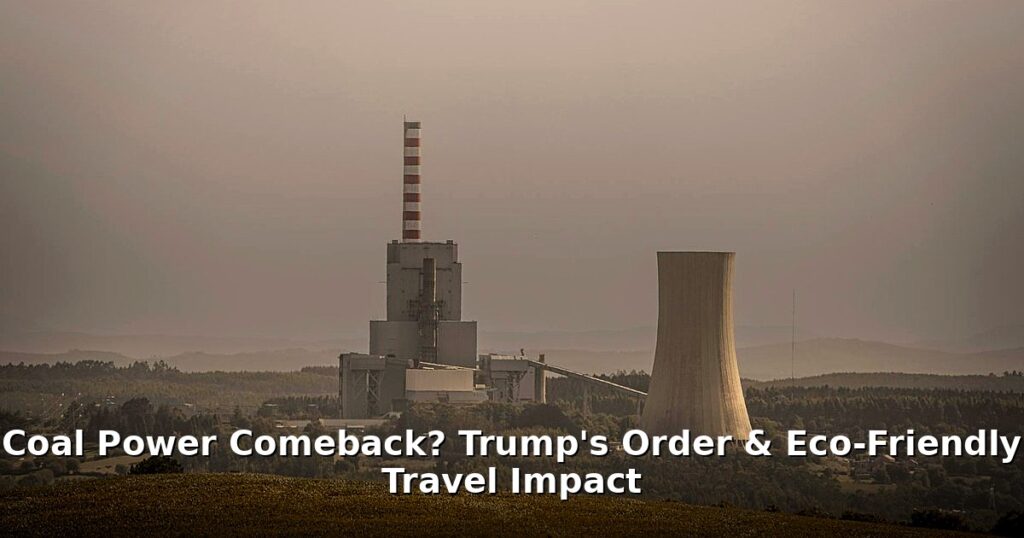

It was the smell of burning wood in a small taverna in the Carpathian Mountains that first made me think seriously about energy. Not because that fire was particularly polluting (it wasn’t), but because it was local. It was sustainable in a way that the vast network of power plants back home simply wasn’t. Back then, I didn’t realize how much the choices of governments and corporations would affect my own ability to engage in sustainable travel. And then came the news: whispers of a directive forcing the Pentagon to prop up the coal power industry. My initial reaction? Disbelief, swiftly followed by a deep sense of unease.
Trump’s Coal Power Directive: A Blast from the Past?
The executive order, initiated during the Trump administration, aimed to compel the Pentagon to prioritize coal power as an energy source. The argument, as I understood it, centered on bolstering the struggling US coal industry and ensuring energy security. The idea was that a reliable domestic coal supply would make the military less vulnerable to disruptions in other energy markets. A noble goal, perhaps, but misguided in its execution, in my opinion.
But what were the potential effects? Well, for the coal industry, it could have provided a temporary lifeline, injecting much-needed demand into a sector facing increasing competition from cheaper and cleaner renewable energy sources. But, many analysts questioned whether this artificial boost could truly reverse the long-term decline of coal. The writing’s on the wall: renewables are getting cheaper and more efficient by the day.
And let’s compare coal power to these alternatives. Coal, as you probably know, is a fossil fuel that releases significant amounts of greenhouse gases when burned, contributing to climate change and air pollution. Renewable energy sources, such as solar, wind, and hydro power, on the other hand, produce little to no emissions during operation. They harness natural resources that are constantly replenished, offering a more sustainable and environmentally friendly approach to energy production. It’s not rocket science, is it?
The Pentagon as a Coal Consumer: Dollars & Sense?
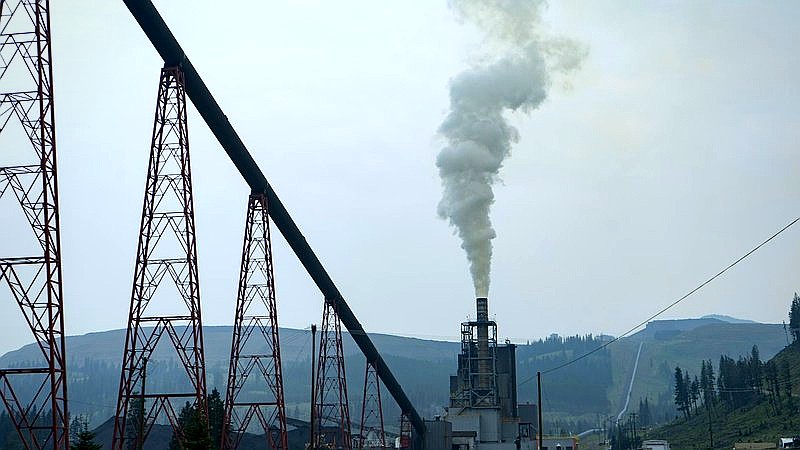
Now, let’s consider the financial implications for the Department of Defense. Forcing the Pentagon to use coal power could be a costly proposition. Coal-fired power plants often require significant infrastructure investments and ongoing maintenance. The cost of transporting coal to military bases, especially those located in remote areas, could also add to the financial burden. I’ve seen firsthand how logistical nightmares can inflate budgets and delay projects.
And what about logistical challenges? Many military bases aren’t located near coal mines or existing coal-fired power plants. This could necessitate the construction of new power plants or the expansion of existing infrastructure, which would be time-consuming and expensive. Furthermore, coal is a bulky fuel that requires significant storage space, which may not be readily available at all military installations.
Energy security and resilience are crucial for military operations, no doubt. The argument for coal power was that it offered a reliable, domestic source of energy, less susceptible to geopolitical instability than, say, oil. But that argument ignores the vulnerabilities inherent in the coal supply chain itself, from mining to transportation. A diverse energy portfolio, including renewables, actually makes more sense from a security standpoint.
Environmental Impact: A Step Backwards?
This is where my traveler’s heart truly sinks. The environmental consequences of increased coal consumption are undeniable. Coal-fired power plants are a major source of air pollution, releasing harmful pollutants such as sulfur dioxide, nitrogen oxides, and particulate matter. These pollutants can cause respiratory problems, heart disease, and other health issues. I’ve seen the smog hanging over industrial cities, and it’s not a pretty sight.
And it doesn’t stop there. Coal mining can also have devastating effects on the environment, leading to habitat destruction, soil erosion, and water pollution. The process of burning coal also generates large amounts of ash and other waste products, which must be disposed of properly to prevent further environmental damage.
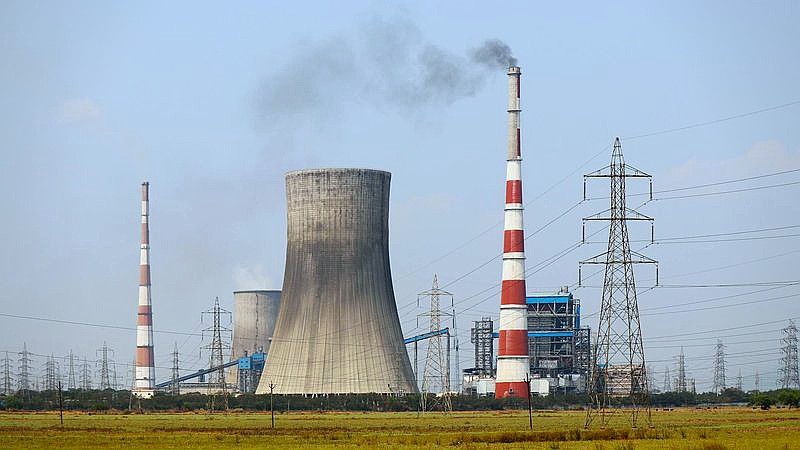
Then, of course, there’s climate change. Burning coal is a major contributor to greenhouse gas emissions, which trap heat in the atmosphere and cause global warming. The effects of climate change are already being felt around the world, from rising sea levels to more frequent and intense extreme weather events. As a traveler, I’ve witnessed the impact of climate change on fragile ecosystems and vulnerable communities. It’s heartbreaking.
Sustainable Travel & The Coal Connection
Here’s the direct link for me: how does coal power affect the carbon footprint of travel? Well, think about it. Airplanes, trains, and hotels all require energy to operate. If that energy comes from coal-fired power plants, then your travel activities are contributing to greenhouse gas emissions. The more you travel, and the more energy-intensive your travel choices, the bigger your carbon footprint.
So, what can we do? Plenty! One of the easiest ways to reduce your carbon footprint while traveling is to choose more sustainable modes of transportation. Consider taking a train or bus instead of flying, or opt for a cycling or walking tour instead of a car ride. When flying is necessary, look for airlines that have invested in fuel-efficient aircraft or carbon offset programs.
And when it comes to accommodation, choose eco-friendly hotels or guesthouses that have implemented sustainable practices, such as using renewable energy, conserving water, and reducing waste. Look for certifications like LEED or Green Globe to identify environmentally responsible establishments. I once stayed in a solar-powered eco-lodge in Costa Rica, and it was an amazing experience – both for the environment and for my soul.
There are countless examples of eco-friendly travel options and destinations around the world. From national parks and nature reserves to sustainable tourism initiatives, there are plenty of opportunities to explore the world while minimizing your impact on the environment. Consider visiting destinations that are actively working to reduce their carbon footprint and promote sustainable practices.
Renewable Energy Alternatives: A Brighter Future?
Thankfully, we’re not stuck with coal power. Renewable energy sources offer a viable and increasingly cost-effective alternative. Solar power, wind power, hydropower, and geothermal energy are all clean, sustainable sources of energy that can replace coal-fired power plants. These sources produce little to no greenhouse gas emissions and can help reduce our reliance on fossil fuels.
And the cost-effectiveness of renewable energy is improving all the time. The price of solar panels and wind turbines has plummeted in recent years, making them increasingly competitive with coal and other fossil fuels. In many parts of the world, renewable energy is now the cheapest source of electricity.
There are already numerous successful renewable energy projects around the world, demonstrating the potential of these technologies. From large-scale solar farms and wind farms to community-based renewable energy initiatives, these projects are proving that a transition to a clean energy economy is possible. Germany’s Energiewende, for example, has shown that a major industrial nation can significantly reduce its reliance on fossil fuels by investing in renewables.
What Can Travelers Do? Make a Difference
The power to make a difference lies in our hands. As travelers, we can support businesses that are committed to sustainability. Choose hotels, restaurants, and tour operators that prioritize environmental responsibility. Look for businesses that have implemented sustainable practices, such as using renewable energy, conserving water, and reducing waste.
We can also choose destinations with green initiatives. Support communities and regions that are actively working to protect the environment and promote sustainable tourism. Visit national parks, nature reserves, and eco-tourism destinations that are committed to conservation.
And, perhaps most importantly, we can advocate for environmentally friendly policies. Contact your elected officials and urge them to support policies that promote renewable energy, reduce greenhouse gas emissions, and protect the environment. Every voice counts!
The aroma of that wood fire in the Carpathians reminds me that energy can be local, sustainable, and responsible. We have the power to choose a different path, one that leads to a cleaner, greener, and more sustainable future for all. Let’s use it.
Frequently Asked Questions
Q: Why did Trump want the Pentagon to buy coal?
A: The stated aim was to support the struggling US coal industry and bolster energy security. Trump’s administration argued that coal provided a reliable and affordable energy source.
Q: How does coal power affect sustainable travel?
A: Coal-fired power plants contribute significantly to greenhouse gas emissions, which in turn increase the carbon footprint of travel activities like flying or staying in hotels powered by non-renewable sources.
Q: What are some alternatives to coal power?
A: Renewable energy sources like solar, wind, and hydro power offer clean and sustainable alternatives to coal. These sources produce little to no greenhouse gas emissions and can help reduce our reliance on fossil fuels.