
If you’ve been looking into EV battery longevity, remember all those early whispers, the worried clucking about how long electric vehicle batteries would really last? People fretted about needing a new one after just a few years, essentially turning their shiny new EV into a very expensive paperweight. It was a common refrain, a major sticking point for many considering the switch to electric.
Table of Contents
- The Unexpected Durability of EV Batteries: Real-World Data
- What’s Behind the EV Battery’s Staying Power?
- Understanding EV Battery Degradation: It’s Slower Than You Think
- Maximizing Your EV Battery Longevity: Practical Tips
- The Financial Upside: Lower Costs and Greener Driving
- Frequently Asked Questions
Well, turns out those concerns, while understandable at the time, were largely overblown. Real-world data is pouring in, and it’s painting a picture of surprising resilience. The truth is, EV battery longevity is defying expectations, with many vehicles racking up hundreds of thousands of miles with minimal degradation. This isn’t just good news; it’s a fundamental shift in how we should think about owning an electric car. A lot to unpack there.
The Unexpected Durability of EV Batteries: Real-World Data
Back when EVs were still a niche product, the prevailing wisdom (or perhaps, fear) was that battery packs would conk out around the 8-year or 100,000-mile mark. Manufacturers offered warranties to cover this, certainly, but the underlying anxiety lingered. Would a used EV be a ticking time bomb? Check out our guide on TSA Marijuana Find at PDX: What Travelers Need to Know About Cannabis & Flights. We covered this in Egg Price Inflation: Companies Donate 53 Million Eggs in Settlement.
But here’s the kicker: we’re seeing countless examples that tell a different story entirely. Take, for instance, high-mileage Tesla taxis in Europe. Some of these vehicles have clocked over 300,000 miles, even 400,000 miles, with their original battery packs still performing admirably. Reports from organizations like InsideEVs and various owner forums consistently show that battery degradation is far slower than initially projected. It’s not uncommon for an EV to retain over 90% of its original capacity after 100,000 miles.
This kind of electric vehicle battery lifespan isn’t just a fun fact; it has serious implications for the total cost of ownership and, crucially, resale value. A car that maintains its core component’s health for a very long time is inherently more valuable. It means less worry for the second or third owner, expanding the used EV market significantly. It makes EVs a more financially sound investment over the long haul. Think about it: a battery means you’re not looking at a massive repair bill down the line. Big difference.
What’s Behind the EV Battery’s Staying Power?
So, what’s the secret sauce? It’s not magic, but rather a combination of sophisticated engineering and clever software. There are several key factors contributing to this remarkable resilience.
Advanced Battery Management Systems (BMS) and Thermal Regulation
Every modern EV comes equipped with a highly advanced Battery Management System. This isn’t just a simple gauge; it’s a sophisticated guardian. The BMS constantly monitors every single cell within the battery pack, tracking temperature, voltage, and current. It ensures that cells charge and discharge uniformly, preventing any single cell from being overstressed. This precision control is absolutely vital for maintaining long-term health.
Coupled with the BMS is thermal management. Batteries, especially lithium-ion ones, perform best and degrade slowest within a specific temperature range. Too hot, and they suffer. Too cold, and performance drops. EVs employ active cooling and heating systems (often liquid-based) to keep the battery pack in its optimal temperature window, whether you’re fast charging on a scorching summer day or driving in the dead of winter. This constant temperature regulation is a silent hero in the story of EV battery longevity.
Improved Battery Chemistry and Cell Design
Battery technology isn’t static; it’s evolving rapidly. Early EVs largely relied on NMC (Nickel Manganese Cobalt) chemistry. While powerful, it had certain characteristics. Now, we’re seeing a significant shift towards LFP (Lithium Iron Phosphate) batteries, especially in standard range models from manufacturers like Tesla and Ford.
LFP batteries, while sometimes slightly less energy-dense than NMC, offer incredible durability and are less prone to degradation, particularly from charging to 100% regularly. They also tend to be safer and cheaper to produce. This diversity in chemistry allows manufacturers to tailor batteries to specific vehicle needs, further enhancing overall electric vehicle battery lifespan. And the physical design of the cells themselves, along with how they’re packaged into modules and packs, also in their ability to withstand the rigors of daily use.
Software Optimizations and Charging Protocols
I’ll be honest — Believe it or not, software plays a huge part in protecting your battery. Manufacturers constantly push over-the-air updates that refine charging algorithms and optimize power delivery. These updates learn from real-world usage patterns and adapt to minimize stress on the battery.
Many EVs now suggest optimal charging ranges – often between 20% and 80% for daily driving – to minimize degradation. The vehicle’s software itself might slow down charging speed as the battery approaches 100% capacity to reduce stress. These smart charging protocols are designed to extend the useful life of the battery without you having to constantly micro-manage it. It’s a thoughtful approach.
Understanding EV Battery Degradation: It’s Slower Than You Think
Let’s talk about the elephant in the room: degradation. Every battery, eventually, loses some capacity. It’s a fact of physics. But how much and how quickly is what truly matters for overall battery health. Degradation in an EV battery means a slight reduction in its maximum energy storage capacity, which translates to a marginally shorter range on a full charge.
The early fears were that this degradation would be steep and rapid. But actual mileage on EV batteries paints a much rosier picture. Industry data, including studies from groups like Recurrent Auto, consistently shows that most EVs experience very slow degradation. We’re talking less than 10% loss of original capacity after 100,000 miles for many models. Some even perform better, showing only 5-7% degradation. A lot to unpack there.
For example, if your EV started with a 300-mile range, after 100,000 miles, you might still be looking at 270-285 miles. That’s hardly a deal-breaker for most daily driving needs. It’s a far cry from the apocalyptic scenarios some predicted.
Of course, certain factors can influence degradation rates. Extreme temperatures, especially prolonged exposure to very hot climates without active cooling, can accelerate it. Similarly, very frequent DC fast charging, particularly if you’re constantly charging from near empty to full, can put more stress on the battery than slower AC charging. But even with these factors, modern EVs are designed with built-in protections and thermal management to mitigate the impact.
Maximizing Your EV Battery Longevity: Practical Tips
You might not expect this, but While modern EVs are built to last, a little proactive care can go a long way in ensuring your battery performs optimally for years to come. These aren’t arduous tasks, just smart habits.
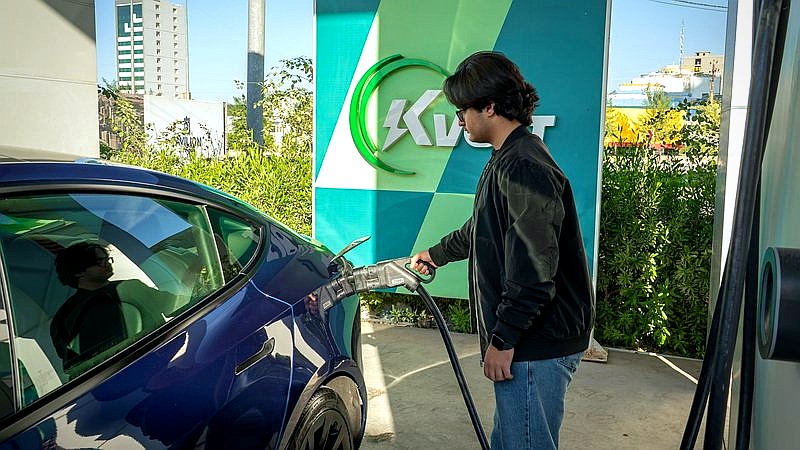
- Optimal Charging Habits: For daily driving, try to keep your battery charge between 20% and 80%. This “sweet spot” minimizes stress on the lithium-ion cells. Only charge to 100% when you genuinely need the full range for a long trip. And if you do charge to 100%, try to depart soon after it finishes, rather than letting it sit at full charge for extended periods.
- Minimize Frequent Fast Charging: DC fast charging is incredibly convenient, but for everyday use, rely more on Level 2 (AC) charging at home or work. Think of fast charging as a marathon runner’s sprint – great when needed, but not for every workout. If you live in an area with extreme temperatures, try to park your car in a garage or shaded area to avoid prolonged exposure to very hot or very cold conditions.
- The Role of Warranty and Manufacturer Guarantees: Most EV manufacturers offer extensive battery warranties, typically 8 years or 100,000 miles (sometimes more), guaranteeing a certain percentage of original capacity (e.g., 70% or 80%). This provides significant peace of mind. It’s a good safety net, though as we’ve seen, many batteries perform well beyond these minimums.
The Financial Upside: Lower Costs and Greener Driving
Here’s the thing — The impressive EV battery longevity isn’t just about technical prowess; it translates directly into financial benefits for you, the owner. The reduced need for battery replacement drastically cuts down on the long-term ownership costs of an EV. Those initial fears of a five-figure battery replacement bill looming over your head? Increasingly unwarranted.
This durability also contributes significantly to a more sustainable electric vehicle ecosystem. A longer-lasting battery means less raw material extraction and processing over the vehicle’s lifetime. It means fewer batteries needing recycling or repurposing, making the entire lifecycle of an EV much greener. It’s not just about zero tailpipe emissions; it’s about the full environmental footprint.
And here’s a little “wish I knew this sooner” moment for you: for years, one of the arguments against EVs was the inevitable battery replacement cost negating any fuel savings. But with batteries proving to last so long, and with the depreciation curves of internal combustion engine (ICE) vehicles often being steeper due to complex engine and transmission components that do require expensive maintenance and eventual replacement, the financial argument for EVs strengthens considerably. The core of your EV, the battery, is proving to be incredibly , often outlasting the vehicle itself in practical terms. That’s a powerful shift.
So, if you’ve been on the fence about an EV, worried about the battery, perhaps it’s time to take another look. The data speaks for itself: these batteries are built for the long haul, defying the skeptics and making electric driving a more compelling and financially sensible choice than ever before.
Frequently Asked Questions
How long do EV batteries actually last?
Modern EV batteries are generally designed to last 8-10 years or 100,000-200,000 miles, but real-world data often shows them exceeding these estimates, with some lasting much longer with minimal degradation.
Does fast charging reduce EV battery life?
Frequent DC fast charging can contribute to slightly faster degradation compared to slower AC charging, especially in extreme temperatures. However, modern battery management systems are very effective at mitigating this risk.
what’s typical EV battery degradation after 100,000 miles?
Many EVs show less than 10% battery degradation after 100,000 miles, meaning they retain over 90% of their original capacity. This varies by model and usage patterns, but performance is generally strong.
Are EV battery replacements expensive?
While individual battery replacements can be costly, they’re becoming increasingly rare due to improved longevity and warranties. Also, costs are expected to decrease as battery technology advances and production scales up.