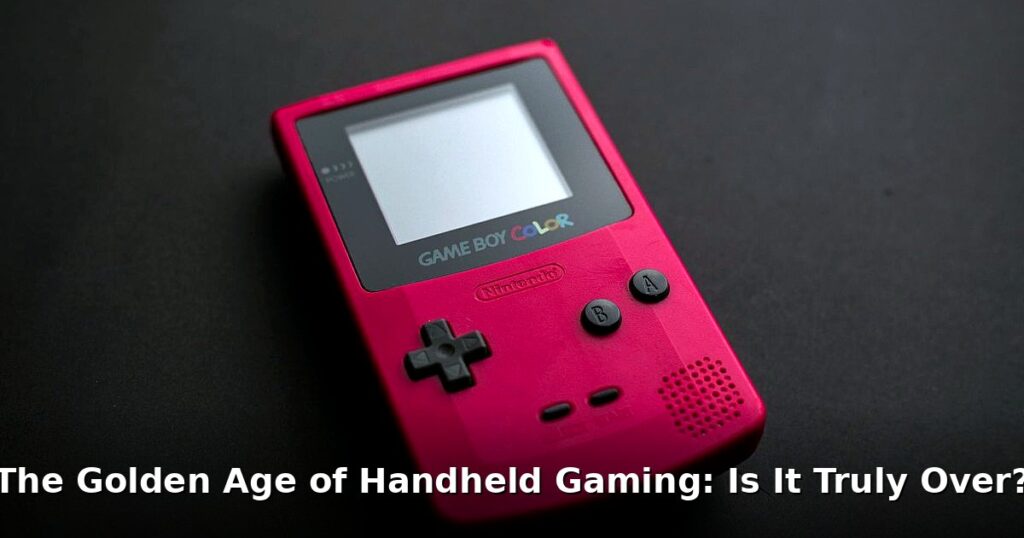

I remember unwrapping my original Game Boy. That satisfying click as the cartridge slid in. The murky green-on-grey screen, the tinny bleeps and boops. It was magic. Utter, pure magic. Suddenly, gaming wasn’t tethered to the living room TV. It was mine, personal, available wherever I went. That, right there, was the start of what many of us now look back on as the golden age of handheld gaming.
Table of Contents
From that chunky grey brick, we saw an incredible evolution. The Game Boy Color brought, well, color! Then the Game Boy Advance, a sleek horizontal wonder with graphics that felt impossibly good for something so small. Nintendo’s DS, with its dual screens and stylus, introduced touch gaming to the masses long before smartphones. And let’s not forget Sony’s challenger, the PSP, a multimedia powerhouse that pushed the boundaries of portable graphics and console-quality experiences.
Each of these devices felt like a significant leap forward. They weren’t just smaller versions of home consoles; they were designed from the ground up for gaming on the go. The physical buttons, the tactile feedback, the cartridges – it all contributed to a dedicated, focused gaming experience. You weren’t getting interrupted by notifications or tempted to check email. It was just you and the game. And that’s what made them so special, so indispensable in our backpacks and pockets. Check out our guide on Street Fighter 6 Server Maintenance: Ingrid Arrives with Massive Update. We covered this in Persona 4 Revival BGM: Is a New Game on the Horizon?.
The Silent Assassin: How Smartphones Derailed the Handheld Train
Then came the iPhone. I remember scoffing at it initially. No physical keyboard? A full touchscreen? It seemed alien. But oh, how wrong I was. That single device, and the Android phones that followed, unleashed a silent, relentless assault on the traditional handheld market. Everyone, and I mean everyone, suddenly had a powerful gaming device in their pocket, 24/7.
This wasn’t just about hardware; it was an economic shift too. The rise of free-to-play mobile games completely redefined expectations. Why spend $40 on a cartridge for your DS when you could download a dozen games for free on your phone? Sure, many of those free games were riddled with ads or microtransactions, but the barrier to entry was practically nonexistent. It was a stark contrast to the premium, upfront cost model of dedicated handhelds.
Convenience, as it often does, trumped dedicated hardware for millions of casual players. They didn’t need the nuanced controls of a PlayStation Portable or the dual-screen innovation of a DS. They wanted something quick, easy, and always there. The sheer accessibility and ubiquity of mobile gaming vs handheld gaming meant that the casual player base, which had been a huge part of Nintendo’s success, began to erode. Suddenly, the need for a separate device for gaming felt… redundant for many.
Nintendo’s Last Stand (and Genius Rebirth): The Switch Phenomenon
Real talk: Nintendo, arguably the king of portable gaming history, felt this shift acutely. The Wii U, with its tablet-like controller, was an interesting concept but ultimately stumbled. Nintendo clearly learned a lot from that experience, however. What followed was nothing short of a stroke of genius: the Nintendo Switch.
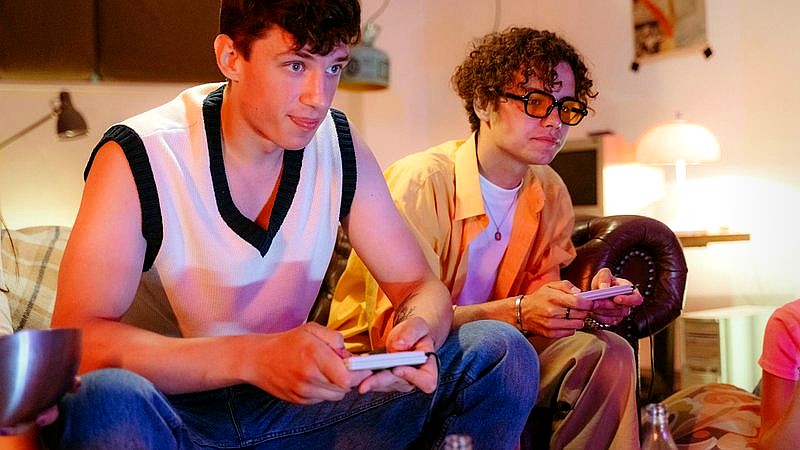
The Switch isn’t just a handheld; it’s a hybrid marvel. You can snap off the Joy-Cons and play it like a traditional handheld console, complete with physical buttons and a vibrant screen. Or, you can dock it and play on your big-screen TV, transforming it into a full-fledged home console. It blurs the lines beautifully, giving players the best of both worlds. It truly felt like Nintendo saying, “Okay, you want convenience and portability, but you also want a premium gaming experience? Here you go.”
But here’s the rub: is the Switch a handheld in the traditional sense? Or is it something new entirely? I’d argue it’s the latter. It’s too powerful, too flexible, too much of a home console to simply be a “handheld.” It’s portable, yes, but it doesn’t quite fit the mold of the Game Boy or PSP. It’s in a category of its own, and its success is undeniable. But it’s not really filling the void left by the DS or Vita. It’s created a new space.
And then there’s Valve’s Steam Deck. Oh, man, the Steam Deck! And its competitors like the ASUS ROG Ally. These aren’t handhelds for the faint of heart. they’re full-blown portable PCs, running your Steam library (and beyond) in the palm of your hand. For a tech enthusiast like me, this is incredibly exciting. You can play AAA PC games on the train! It’s wild. Pretty wild, right?
But are they bringing back the golden age of handheld gaming? Not really. They’re carving out a new, more niche market for PC gamers who want portability. They’re expensive, often require a bit of technical know-how to optimize games, and they certainly don’t have the same mass-market appeal as a Game Boy did. They’re a true competitor in the enthusiast space, a brilliant new niche, but they’re not going to be in every kid’s backpack.
Is the Golden Age of Handheld Gaming Truly Over, or Just Evolving?
Look, This brings us to the big question: Is the golden age truly over? Or is it simply evolving into something new? To answer that, we need to define “golden age.” For me, it was about ubiquity. It was about dedicated hardware designed solely for gaming, accessible and widely adopted by casual and hardcore players alike.
That era, I believe, is gone. The mainstream dedicated handheld player, the kid who only had a Game Boy and maybe a console at home, that demographic has largely evaporated. They’re on their phones now. The market has bifurcated dramatically. On one side, you have the massive, sprawling world of mobile gaming for casual players, driven by convenience and free-to-play models. On the other, you have the Nintendo Switch, which exists in its own hybrid space, and then the emerging, powerful PC handhelds for the more dedicated, tech-savvy enthusiasts.
The magic of a dedicated device for gaming, that feeling of singular purpose, is still there in devices like the Switch and Steam Deck. But it’s no longer the default, mainstream way many people engage with portable gaming. The innocent simplicity of the Game Boy era, where handheld gaming was synonymous with a dedicated console, is definitively over. And that’s okay, mostly.
What’s Next for Portable Play? My Hopes (and Fears)
So, what’s next for portable play? I’ve hopes, and, naturally, some fears. One big push I see is for cloud streaming on portable devices. Imagine being able to stream any game from Xbox Game Pass or GeForce Now directly to a powerful handheld, without needing massive local storage or onboard processing. That could be huge. The Steam Deck impact is already pushing this idea.
I also expect more powerful PC handhelds pushing boundaries, perhaps becoming more streamlined and user-friendly. The handheld console decline of the past might give way to a new era of highly specialized portable computers. But will they ever hit the price point or simplicity needed for true mass adoption? That’s a challenge.
And then there’s Nintendo. Will they keep innovating in the portable space? The Nintendo Switch future is fascinating. They’ve always marched to the beat of their own drum, and I’ve faith they’ll continue to surprise us. But the challenge of balancing raw power with battery life, portability, and cost remains a huge hurdle for any portable device manufacturer. It’s a delicate dance, always.
Fair warning: The golden age of handheld gaming, as we knew it, is a fond memory. But the future of portable play is still incredibly exciting, even if it looks very different from the monochrome screen of my first Game Boy. We’ve lost some of that universal appeal, but we’ve gained incredible power and diversity. It’s not a bad trade-off, really. Just different.
Frequently Asked Questions
Q: What caused the decline of dedicated handheld gaming consoles?
A: The primary factor was the rise of powerful smartphones, which offered gaming capabilities alongside communication and other features, eliminating the need for a separate device for many casual players. Free-to-play mobile games also changed consumer expectations and created a lower barrier to entry for gaming.
Q: Is the Nintendo Switch considered a traditional handheld console?
You might not expect this, but A: The Nintendo Switch blurs the lines. While it excels as a portable device, its ability to dock and play on a TV makes it a hybrid. It’s often seen as a spiritual successor to handhelds, but also a full home console. Its unique form factor makes it hard to categorize strictly.
Q: Are PC handhelds like the Steam Deck bringing back the golden age?
A: PC handhelds cater to a niche of enthusiast gamers by offering powerful PC gaming in a portable form. While exciting, they haven’t recaptured the mainstream ubiquity that defined the original golden age of handhelds like the Game Boy or DS. They target a different audience and price point.
Q: What’s the difference between mobile gaming and handheld gaming?
A: Mobile gaming typically refers to games played on smartphones or tablets, often free-to-play with touch controls, and integrated with other device functions. Handheld gaming historically refers to games played on dedicated portable consoles with physical buttons, designed solely for gaming experiences. The latter often features premium game titles rather than free-to-play models. For more on the evolution of handheld gaming, you can check out resources like Britannica’s take on video game history or even academic studies on mobile gaming trends.