
Talk about exceeding expectations! NASA’s Opportunity rover was only supposed to last 90 days on Mars. Ninety. That’s like a long weekend in space years. Instead, it explored the Red Planet for nearly 15 years. What was its secret to longevity? Well, a lot of engineering ingenuity, but also…solar panel life.
Table of Contents
Opportunity relied entirely on solar power to keep its systems running, trundling across the Martian surface and beaming back invaluable data. The rover’s mission was ultimately cut short by a massive dust storm in 2018—a storm so intense it blotted out the sun across the entire planet. Honestly, the dust settled on Opportunity’s panels, and despite NASA’s best efforts, the rover couldn’t generate enough power to “wake up.”
That’s a tough break. And while we’re not dealing with planet-wide dust storms here on Earth (thankfully), dust, debris, and grime can significantly impact the lifespan and efficiency of our own solar panels. Think of Opportunity as a cautionary tale – a very cool, very distant cautionary tale. Check out our guide on Dark Matter Discovery? Scientists May Have Detected It By Accident. We covered this in Greenland Sharks: Centuries-Old, Blind, and Mysterious.
The Enemy: Dust and Debris – Shortening Your Solar Panel Life
Let’s face it: solar panels are an investment. You want them working at peak performance for as long as possible. Dust and debris are the enemies of solar panel efficiency. When sunlight can’t reach the solar cells, energy production drops. It’s simple physics.
What kind of debris are we talking about? Everything. Pollen in the spring is a big one, coating surfaces in a yellow film. Leaves, especially in the fall. Bird droppings – always a joy to clean. Construction dust, if you live near a building site. Even just plain old dirt carried by the wind. All this gunk accumulates over time, blocking sunlight and reducing your panels’ output.
Shading is another major factor. Even partial shading can have a significant impact on solar panel performance. If even a small portion of a panel is shaded, the output of the entire string of panels can be reduced. It’s like a chain – only as strong as its weakest link.
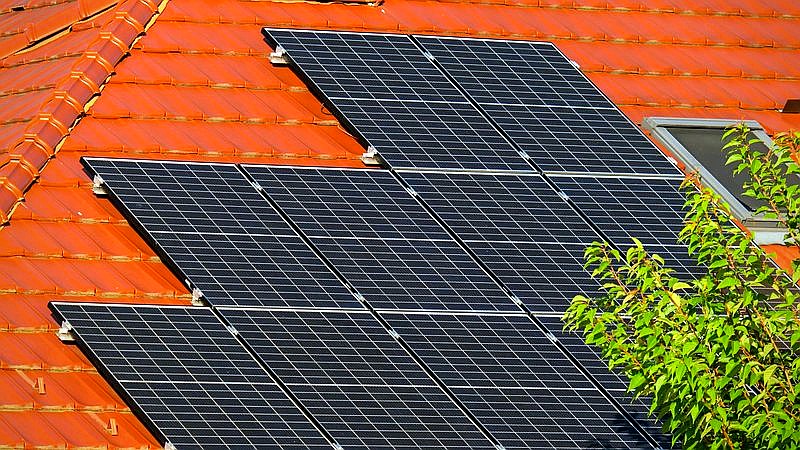
I learned this the hard way a few years ago. I noticed a dip in my system’s energy production, and after a bit of investigating, discovered that a tree branch had grown just enough to cast a shadow on one corner of my solar array. I trimmed the branch, and boom – power output went right back up. Simple fix, but it made a big difference.
DIY Solar Panel Cleaning: Simple Steps
Alright, so you’re ready to tackle the grime and reclaim your solar panel efficiency? Good for you! DIY clean solar panels is totally doable, but you gotta do it right. Here’s what you’ll need:
- Soft-bristled brush (like you’d use for washing a car)
- Hose with a gentle spray nozzle
- Mild soap (specifically designed for solar panels, or a very gentle dish soap)
- Bucket
- Ladder (if needed – and be careful!)
Now, for the steps:
- Safety First: Turn off your solar panel system. This isn’t strictly necessary, but it’s always better to be safe than sorry. Consult your system’s manual for instructions on how to do this.
- Rinse: Use the hose to thoroughly rinse the panels, removing loose dirt and debris.
- Wash: Mix a small amount of mild soap with water in the bucket. Dip the soft-bristled brush into the soapy water and gently scrub the panels. Avoid using excessive pressure.
- Rinse Again: Rinse the panels thoroughly with the hose to remove all traces of soap. Any residue left behind can attract more dirt.
- Dry (Optional): You can let the panels air dry, or use a squeegee or microfiber cloth to dry them. This will help prevent water spots.
A few crucial safety precautions: NEVER use harsh chemicals or abrasive cleaners. They can damage the protective coating on your panels. And be extra careful when working at heights. If you’re not comfortable on a ladder, don’t risk it.
And speaking of things you shouldn’t do… avoid pressure washers like the plague! I tried using a pressure washer on my panels once (thinking I was being clever and saving time). Big mistake. HUGE mistake. The high pressure can damage the panels and void your warranty. Trust me on this one. Not worth it.
Professional Solar Panel Cleaning: When to Call the Experts
Sometimes, DIY just isn’t the answer. There are situations where calling in a professional solar panel cleaning service is the smartest move. What situations am I talking about?
- Difficult Access: If your panels are located on a steep roof or in a hard-to-reach area, it’s best to leave the cleaning to the professionals. They have the equipment and expertise to safely access and clean your panels.
- Stubborn Stains: Bird droppings, tree sap, and other stubborn stains can be difficult to remove with DIY methods. Professionals have specialized cleaning solutions and techniques to tackle these tough stains.
- Complex Systems: If you have a complex solar panel system with multiple arrays or specialized components, it’s best to hire a professional who understands the intricacies of your system.
Professional cleaning services offer several benefits. They use specialized equipment, like water-fed poles and deionized water systems, to achieve a thorough and streak-free clean. They also have the expertise to identify and address any potential issues with your panels, such as damaged wiring or loose connections. You can find qualified solar panel installers and maintenance providers through the Solar Energy Industries Association SEIA website.
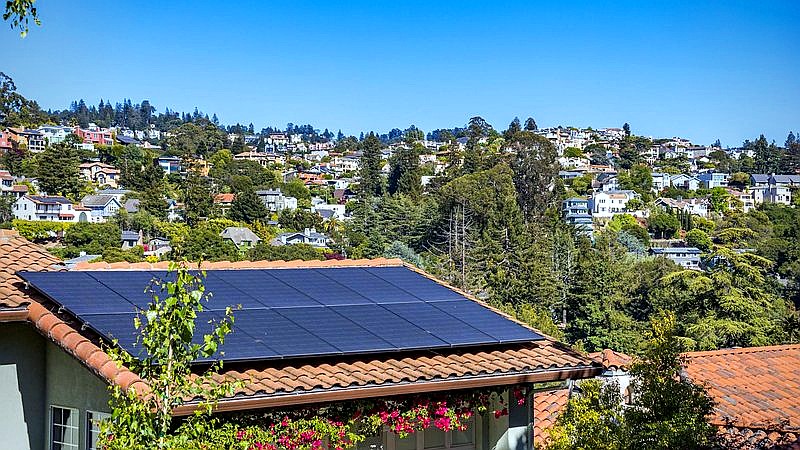
But what about cost? That’s always a factor, right? DIY cleaning is obviously cheaper upfront. You’re only paying for supplies. But professional cleaning can be more cost-effective in the long run, especially if it prevents damage to your panels or extends their lifespan. Plus, you’re paying for convenience and peace of mind.
Boosting Solar Panel Life Beyond Cleaning: Additional Maintenance Tips
Keeping your panels clean is crucial, but it’s not the only thing you can do to maximize their lifespan and performance. Here are some additional solar panel maintenance tips:
- Inspect Regularly: Check your panels regularly for any signs of damage, such as cracks, chips, or discoloration. Address any issues promptly to prevent further damage.
- Trim Trees: Keep overhanging trees trimmed to prevent shading. Even a small amount of shade can significantly reduce your panels’ output.
- Monitor Output: Keep an eye on your system’s energy production. If you notice a sudden or gradual decrease in output, it could be a sign of a problem.
- Protective Coating: Consider applying a protective coating to your panels. These coatings can help repel dirt and debris, making cleaning easier and extending the lifespan of your panels.
- Check Inverter and Wiring: The inverter is a critical component of your solar panel system. Make sure it’s functioning properly. And check the wiring for any signs of damage or wear. (Or, honestly, hire an electrician to do this if you’re not comfortable working with electrical systems.)
These simple steps can go a long way toward maximizing your solar panel life and ensuring that you get the most out of your investment. It’s like taking care of your car – regular maintenance keeps it running smoothly for years to come. The US Department of Energy provides resources to help homeowners understand home solar technology.
Frequently Asked Questions
How often should I clean my solar panels?
Cleaning frequency depends on your location and environmental factors. Generally, cleaning them 2-4 times a year is a good starting point, but more frequent cleaning might be needed in dusty or polluted areas.
Can I use regular household cleaners on my solar panels?
No, harsh chemicals and abrasive cleaners can damage the protective coating on your solar panels. Use a mild soap specifically designed for solar panels or a gentle dish soap diluted in water.
What are the signs that my solar panels need cleaning?
Reduced energy production is the most obvious sign. You might also notice visible dirt, debris, or bird droppings on the panel surface. Monitor your system’s output regularly to identify performance drops.
Is it safe to clean solar panels myself?
Cleaning solar panels can be safe if you take proper precautions. Avoid working at heights if you’re not comfortable, and always use a soft brush and hose. Consider hiring a professional if you have a complex system or are unsure about the process.
Does cleaning solar panels really make a difference?
Yes! Clean panels allow more sunlight to reach the solar cells, leading to increased energy production. Studies have shown that dirty panels can lose up to 25% of their efficiency.
So, there you have it. Everything you need to know about extending your solar panel life. Regular cleaning and maintenance are key to keeping your system running efficiently and maximizing your return on investment. Opportunity may have succumbed to the Martian dust, but your panels don’t have to suffer the same fate. Are you ready to roll up your sleeves and get cleaning, or will you call in the pros? The choice is yours. But don’t wait too long – that dust is already accumulating!