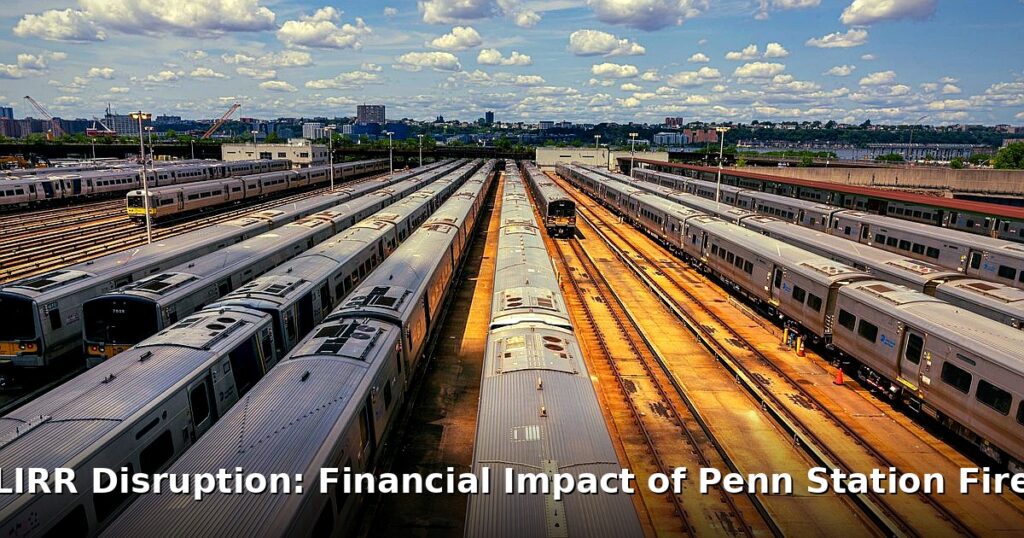

An electrical fire. That’s all it took to throw thousands of Long Island Rail Road commuters’ lives into chaos. And it wasn’t just a minor inconvenience; the LIRR fire at Penn Station threatened to shut down service well into Friday morning, leaving many scrambling for alternatives and facing unexpected financial burdens. This isn’t just about delayed trains; it’s about lost wages, increased commuting costs, and the ripple effect on New York City’s economy.
Table of Contents
The LIRR Fire and Penn Station Shutdown: What Happened?
Let’s break down the timeline. Tuesday evening, an electrical fire erupted near Penn Station, causing immediate suspension of LIRR service in and out of the hub. The specific cause? Early reports point to equipment failure, but a full investigation is underway. Service disruptions cascaded across numerous lines, including the heavily trafficked Port Jefferson, Ronkonkoma, and Babylon branches. Basically, if your train goes through Penn, you were probably affected by this LIRR Penn Station disruption.
Official statements from the MTA acknowledged the severity of the situation, emphasizing ongoing efforts to restore service safely and quickly. They urged commuters to seek alternative routes and to check the MTA website and app for up-to-the-minute updates. Helpful, sure, but not exactly comforting when you’re already stranded. Check out our guide on New Fed Chair: Rate Cut Timeline Shifting?. We covered this in Nvidia CEO’s Surprise Addition to Trump’s China Trip.
The ripple effects were immediate. Packed platforms at alternative transfer points, surging Uber and Lyft prices, and a general sense of commuter angst filled the air. Not a recipe for a productive week, to say the least.
Commuting Costs and the LIRR Fire’s Financial Impact
Okay, let’s talk money. The average daily commuting costs for LIRR riders into NYC already sting, ranging anywhere from $20 to $40. That includes the train ticket itself, plus the cost of getting to the station, and maybe a coffee to face the morning. But with the LIRR fire, those costs could easily double or triple. Think about it.
Lost wages are another huge piece of this puzzle. If you’re stuck for hours, or can’t get to work at all, you’re not earning. For hourly workers, this is a direct hit to their income. No work, no pay. Salaried employees might fare slightly better, but even they face potential docked vacation time or pressure to make up for lost hours. No one likes to start the day late because of something outside of their control.
Here’s what most people miss: And it’s not just about individual income. Delays and cancellations inevitably impact productivity and business revenue. Missed meetings, late deliveries, and stressed-out employees don’t exactly contribute to a thriving economy. The economic impact LIRR disruptions can have is significant.
The Hourly vs. Salaried Divide
The impact on hourly workers compared to salaried employees is worth highlighting. Hourly workers often lack paid time off. Meaning a day lost to commuting nightmares translates directly into a thinner paycheck. Salaried employees might have more flexibility, but pressure to “make up” lost time can lead to increased stress and longer hours down the line. It’s a tough situation all around.
Alternatives and Added Expenses During the LIRR Disruption
So, the LIRR is down. What are your options? The subway is one possibility, but it often means transferring multiple times and dealing with even more crowded conditions. Buses are another choice, but they’re notoriously slow, especially during peak hours. And then there’s driving, which means battling NYC traffic and shelling out for exorbitant parking fees. Not fun.

Let’s talk about those added expenses. Parking in Manhattan can easily cost $30-$50 per day. Tolls on bridges and tunnels add another layer of expense. And ride-sharing services? Surge pricing during a transit crisis can send those fares through the roof. Suddenly, that “convenient” Uber ride costs more than your monthly LIRR pass. I’ve seen it happen!
The impact on travel time is another key consideration. What’s normally a one-hour commute can easily turn into a two- or three-hour ordeal when forced to rely on alternative transportation. That’s time you’re not spending with your family, working, or just relaxing.
Employers and Work-From-Home Policies
Are employers stepping up and offering flexibility? Some are, thankfully. Allowing employees to work from home or adjust their schedules can alleviate some of the stress and financial burden. But not all companies are so understanding. It really depends on the industry, the company culture, and your individual relationship with your manager.
Broader Economic Consequences of the LIRR Disruption
This isn’t just a commuter problem; it’s an NYC problem. When a major transit artery like the LIRR is crippled, it impacts the entire city’s economy. Reduced workforce accessibility means fewer people are able to get to their jobs efficiently. That translates to lower productivity, missed opportunities, and a general slowdown in economic activity.
Retail and restaurant businesses in the Penn Station area are particularly vulnerable. With fewer commuters passing through, they’re likely to see a drop in sales. Think about it: fewer people grabbing lunch, buying coffee, or doing some quick shopping before heading home. It adds up.
And if these disruptions become more frequent? That could have longer-term implications for NYC’s competitiveness. Businesses might reconsider their location, and potential employees might be hesitant to move to the area. It’s a slippery slope.
Does insurance cover any of this? Probably not your lost wages or increased commuting costs. Some travel insurance policies might offer limited coverage for trip delays, but they typically don’t apply to daily commutes. It’s worth checking your policy, but don’t get your hopes up.
Financial Planning for Future Commuting Disruptions
So, what can you do to prepare for the next transit meltdown? (Because let’s be honest, there will be a next time.) Building an emergency fund specifically for unexpected transportation costs is a smart move. Even a few hundred dollars can make a big difference when you’re suddenly faced with surge-priced Ubers or expensive parking fees.
Negotiating flexible work arrangements with your employer is another key step. Even if you can’t work from home full-time, having the option to adjust your schedule or work remotely on days when transit is unreliable can save you time, money, and stress.
Here’s what most people miss: And don’t underestimate the value of exploring alternative commuting routes and options. Knowing the backup bus routes, the nearest subway stations, and even potential carpool buddies can be a lifesaver when the LIRR goes down. Preparedness is key.
My Commuting Nightmare (and What I Learned)
I’ll never forget the time a blizzard shut down the entire transit system. I was stuck miles from home, with no buses running and taxis nowhere to be found. I ended up walking for hours in the freezing cold, finally reaching my apartment well after midnight. It was miserable. If only I had an emergency fund, or had planned an alternative route. Wish I knew this sooner.
Learn from my mistakes! Don’t wait for the next crisis to hit. Take steps now to protect yourself financially and logistically. It’s not just about saving money; it’s about preserving your sanity.
Frequently Asked Questions
How much does the average LIRR commute cost per day?
The average daily LIRR commute can range from $20 to $40 depending on the distance and ticket type. Monthly passes can offer some savings, but disruptions negate that benefit.
What are my options if the LIRR is suspended?
Alternative options include the subway, bus, ride-sharing services, or driving. Then again, these alternatives can be more expensive and time-consuming.
Will I be reimbursed for lost wages due to the LIRR shutdown?
It’s unlikely you’ll be directly reimbursed by the MTA for lost wages. Check with your employer regarding their policies on late arrivals due to transit disruptions.
Does the MTA offer refunds for unused tickets during the LIRR disruption?
The MTA typically has policies for refunds on unused tickets in cases of significant service disruptions. Check their website for the latest information and refund procedures.
How can I prepare financially for future LIRR disruptions?
Consider building an emergency fund to cover unexpected transportation costs. Also, explore flexible work arrangements with your employer and research alternative commuting routes.
These disruptions highlight the need for resilient infrastructure and smart financial planning. While we can’t control electrical fires or other unforeseen events, we can take steps to mitigate their impact on our wallets and our lives. Don’t get caught off guard. A little preparation can go a long way. Consider this your wake-up call to build that emergency fund and have those conversations with your employer. You won’t regret it. And remember: I’m not a financial advisor, so this isn’t financial advice, just some tips from a fellow commuter!