

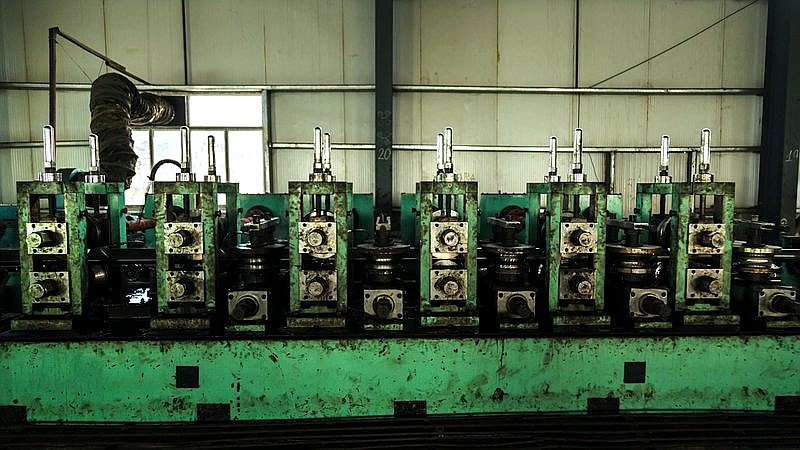
Hold on a second. Did you hear that? That’s the sound of factories in China humming back to life. And not just a little hum, but a full-throated roar. New data suggests China factory activity isn’t only growing, but accelerating at its fastest pace in a year.
Table of Contents
The latest Caixin/S&P Global manufacturing Purchasing Managers’ Index (PMI) shows a significant jump. We’re talking about a serious upswing driven by stronger domestic demand and a surge in new export orders. What does this mean for you, me, and the global economy? Let’s unpack it.
China Factory Activity Roars Back to Life
The headline figure is impressive. China’s manufacturing PMI hit a level not seen in a long time. We’re talking about the sharpest expansion in twelve months. According to recent data, the PMI surged to 51.7 in the latest month, up from 50.9 the previous month. That’s a substantial increase, indicating a expansion in the manufacturing sector. Check out our guide on Stock Futures Flat: Holiday Week Trading Outlook. We covered this in Stocks Dive: What to Do When Oil Prices Hit $100.
What’s fueling this growth? Well, it seems like a combination of factors is at play. Increased domestic demand is a big one. After a period of uncertainty, Chinese consumers are starting to open their wallets again (or their digital wallets, more likely). New export orders are also on the rise, suggesting that global demand for Chinese goods remains strong. It’s a double whammy of good news for Chinese manufacturers.
This news is a shot in the arm for the China economic outlook. But is it sustainable? That’s the million-dollar question.
Decoding the PMI: What It Really Tells Us
Here’s what most people miss: Okay, let’s talk about what PMI actually means. The Purchasing Managers’ Index is a key economic indicator that provides a snapshot of the health of the manufacturing sector. It’s based on a monthly survey of purchasing managers at manufacturing companies.
These managers are asked about various aspects of their business, including new orders, production levels, employment, and supplier deliveries. Their responses are then compiled into a single index number. Simple enough, right?
Here’s the crucial part: a PMI reading above 50 signifies expansion in the manufacturing sector. Anything below 50 indicates contraction. A reading of exactly 50 means no change. In this case, the latest China PMI data, sitting at 51.7, clearly points to growth. The higher the number above 50, the faster the expansion.
But (there’s always a “but,” isn’t there?) it’s important to remember the limitations of PMI data. It’s a survey, not a hard measure of actual output. It reflects the sentiment of purchasing managers. Sentiment can change quickly based on any number of factors — it’s not a perfect predictor of future performance.
Also, PMI data can be subject to revisions. Initial estimates might be adjusted later based on more complete information. So, while it’s a valuable tool, it shouldn’t be the only factor you consider when assessing the economic outlook. Think of it as one piece of a larger puzzle.
The Nuances of China PMI Data
- Sub-indices Matter: The overall PMI is important, but look at the sub-indices too (new orders, production, employment, etc.). They provide more granular insights.
- Regional Variations: China is a vast country, and manufacturing activity can vary significantly by region. National PMI data might not fully reflect what’s happening in specific areas.
- Compare to Other Indicators: Don’t rely solely on PMI. Compare it to other economic indicators, such as industrial production, retail sales, and trade data, for a more comprehensive picture.
Global Implications of China’s Manufacturing Growth
China’s economic performance doesn’t just affect China. It has ripple effects across the entire globe. And the resurgence of China manufacturing growth is no exception. One major area impacted is global supply chains.
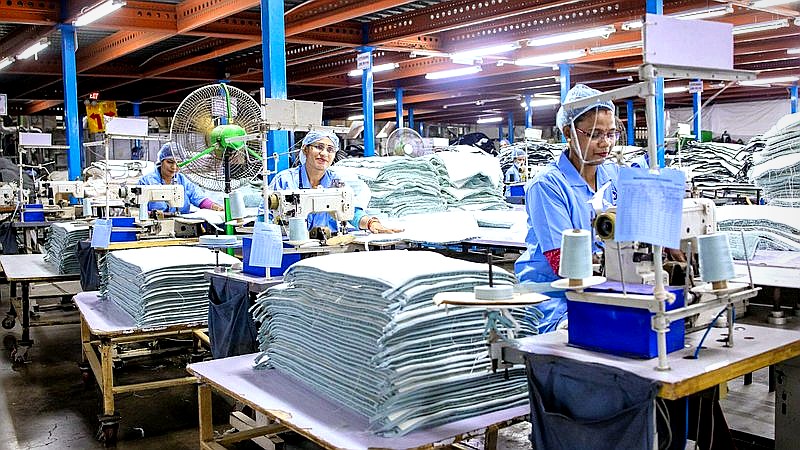
For the past few years, supply chains have been plagued by disruptions, delays, and bottlenecks. China’s manufacturing rebound could potentially ease some of these issues. Increased production in China means more goods available to meet global demand, potentially shortening delivery times and reducing shortages. Not ideal.
But, there’s a flip side: inflation. On one hand, increased supply of goods from China could help to lower prices, especially for manufactured products. On the other hand, China’s increased demand for raw materials (like iron ore, copper, and energy) could drive up prices for those commodities. It’s a delicate balancing act.
Then there’s the impact on other economies. Countries that supply raw materials to China, such as Australia, Brazil, and South Africa, could see a boost in their export revenues. Increased demand from China translates to increased demand for their products. This can lead to higher economic growth and job creation in these countries.
It’s all interconnected. Global trade is a complex web, and China plays a central role.
How China Factory Activity Impacts Your Investments
Okay, let’s get down to brass tacks: how does all of this affect your investments? Well, a revitalized Chinese manufacturing sector can have several implications for investors. One area to watch is commodity prices. Higher demand for raw materials in China can translate to higher prices for metals, energy, and agricultural products. This could benefit companies involved in the production and extraction of these commodities.
Stock markets can also be affected. Positive news about China’s economy tends to boost investor sentiment, particularly for companies with significant exposure to the Chinese market. Companies that sell goods or services in China, or that rely on Chinese manufacturing, could see their stock prices rise.
Then again, it’s crucial to remember the risks. Investing in emerging markets like China comes with its own set of challenges, including political risks, regulatory uncertainty, and currency fluctuations. It’s important to do your homework and understand the potential downsides before investing.
Some things to keep in mind:
- Diversify Your Portfolio: Don’t put all your eggs in one basket. Spread your investments across different asset classes and geographic regions.
- Monitor Global Economic Trends: Stay informed about what’s happening in the global economy. China’s growth is just one piece of the puzzle.
- Seek Professional Advice: If you’re unsure about how to invest, consult a qualified financial advisor.
(Disclaimer: I’m not a financial advisor, and this isn’t financial advice. Always do your own research before making any investment decisions.)
Is This Growth Sustainable?
Now, for the big question: is this resurgence in China manufacturing growth sustainable? Can we expect this strong performance to continue in the months and years ahead? That’s tough to say for sure.
Several potential challenges could derail the recovery. A global economic slowdown is a major risk. If the world economy weakens, demand for Chinese goods could decline, putting a damper on manufacturing activity. Geopolitical tensions are another concern. Trade disputes or political instability could disrupt supply chains and harm economic growth.
And let’s not forget about domestic policy shifts in China. Changes in government regulations or economic policies could impact the manufacturing sector, for better or worse. It’s a complex and dynamic situation.
Expert opinions on the long-term outlook for China’s manufacturing sector are mixed. Some analysts are optimistic, pointing to China’s large domestic market, its advanced manufacturing capabilities, and its ongoing efforts to innovate and upgrade its industries.
Others are more cautious, citing the challenges mentioned above and concerns about China’s aging population, its rising debt levels, and its environmental problems.
No one has a crystal ball. Predicting the future is always a guessing game.
Wish I knew this sooner: Economic data is always a snapshot in time, not a crystal ball. It reflects what’s happening now, but it doesn’t guarantee what will happen tomorrow. Don’t get too caught up in the headlines. Always look at the bigger picture and consider the potential risks and uncertainties.
To get a broader perspective on the impact of China’s growth, you can check out publications such as the Reuters for up-to-date reporting on economic trends.
Frequently Asked Questions
Q: What does a PMI above 50 mean?
A: A PMI (Purchasing Managers’ Index) reading above 50 indicates that the manufacturing sector is expanding. It suggests that businesses are experiencing increased orders, production, and employment.
Q: How reliable is PMI data?
A: PMI data is a useful leading indicator, but it’s based on surveys and reflects sentiment. It can provide insights into the direction of the economy, but it’s not a guarantee of future performance.
Q: Could China’s growth lead to inflation?
A: Potentially, yes. Increased demand from China can drive up prices for raw materials and components, which could then translate to higher prices for consu. Then againever, increased production could also offset some inflationary pressures.
Q: What are the risks to China’s economic growth?
A: Several factors could impact China’s growth, including a global economic slowdown, trade tensions with other countries, and changes in domestic economic policies.
Q: How can I invest in China’s growth?
A: You can invest in companies with exposure to the Chinese market through stocks, ETFs, or mutua. That saidHowever, it’s crucial to do your research and understand the risks involved. (This isn’t financial advice.)
So, is China’s factory resurgence a flash in the pan, or the start of a sustained boom? Only time will tell. But one thing is certain: China’s economic performance will continue to have a significant impact on the global economy, and on your investments. Stay informed, stay diversified, and stay cautious. finance never sleeps, and neither should your vigilance.